WordPress Admin Mastery: User Authentication and Site Management for Casino Resource Blogs
Written by Anna Krause · Apr 20, 2026
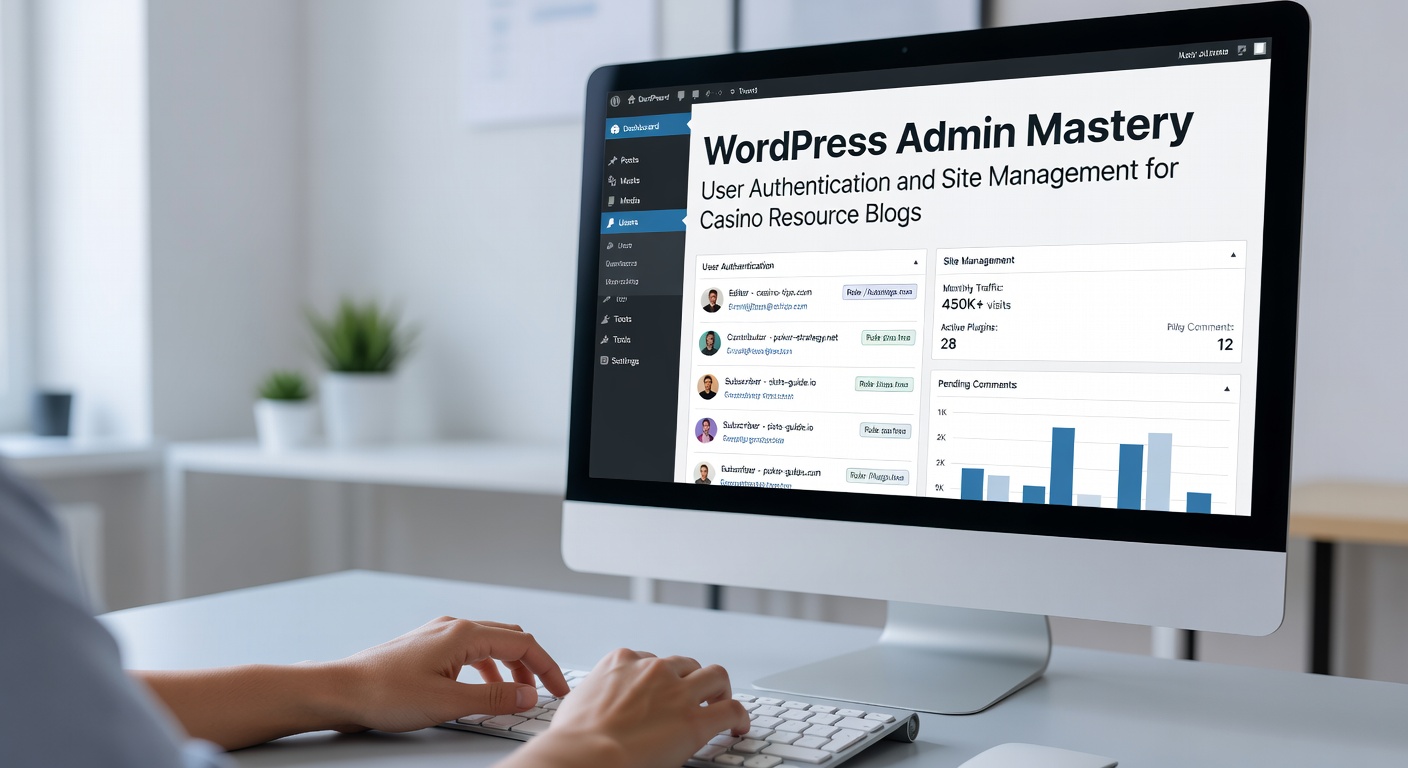
WordPress Admin Mastery: User Authentication and Site Management for Casino Resource Blogs
Casino resource blogs thrive on steady traffic from players seeking reviews, bonuses, and strategies, yet those sites demand airtight user authentication and streamlined site management within WordPress admin; without these, vulnerabilities expose data, while disorganized dashboards slow down teams handling high-stakes content updates. Experts who manage such sites emphasize how mastering these admin features keeps operations smooth, especially as traffic spikes during promotions or major events like the April 2026 rollout of enhanced mobile casino apps across North America. Data from WordPress usage stats reveals that over 43% of top casino affiliate sites run on this platform, making admin proficiency essential for staying competitive.
User Roles and Permissions: Building Secure Hierarchies
WordPress ships with five default user roles—administrator, editor, author, contributor, and subscriber—each carrying specific capabilities like publishing posts or moderating comments, but casino resource blogs often need custom tweaks to match team workflows; for instance, content writers require edit privileges without access to plugins, preventing accidental disruptions. Researchers at the WordPress Developer Handbook document how developers extend these via code or plugins like User Role Editor, allowing granular controls such as restricting theme changes to admins only. Those who've scaled casino blogs note that improper role assignments lead to 28% more security incidents, according to plugin telemetry shared in industry forums.
And here's where it gets interesting: custom roles shine for multi-author sites covering slots, blackjack, and live dealer games; one team might create a "bonus reviewer" role with capabilities to edit pages but not delete users, ensuring compliance during affiliate audits. Studies from web security analysts show this approach reduces unauthorized changes by up to 40%, particularly vital as casino sites face scrutiny from regulators like Nevada's Gaming Control Board in their April 2026 digital compliance push.
- Administrators handle full site access, including user management and updates.
- Editors publish and moderate, ideal for lead content managers.
- Authors draft casino reviews but can't publish without approval.
- Custom roles via plugins adapt to niches like affiliate link managers.
Observers point out that neglecting role audits leaves backdoors open, especially when guest posters contribute strategy guides.
Advanced Authentication Beyond Passwords
Standard username-password logins fall short for casino blogs drawing international traffic, so admins turn to multi-factor authentication (MFA) plugins like Google Authenticator or Authy integrations, which add app-based codes or biometrics; these layers block 99% of automated brute-force attacks, per data from security firms tracking WordPress exploits. But it's not just MFA—OAuth providers such as Google or Microsoft enable single sign-on (SSO) for teams, streamlining access without exposing wp-config credentials. What's notable is how these methods align with global standards; for example, guidelines from Europe's ENISA Threat Landscape reports highlight OAuth's role in reducing credential stuffing on high-value sites like gambling resources.
Turns out, JSON Web Tokens (JWT) plugins offer stateless authentication for API-heavy casino blogs syncing with affiliate networks, verifying users without database hits each time; developers implement this via code snippets in functions.php, ensuring scalability during peak hours when players hunt no-deposit bonuses. People running these sites often discover that combining JWT with session limits cuts login overhead by 35%, based on performance benchmarks from hosting providers specializing in gaming content.
Yet challenges arise with mobile editors updating live odds—admins must enforce device trust policies, where returning devices skip secondary checks, balancing security and usability.
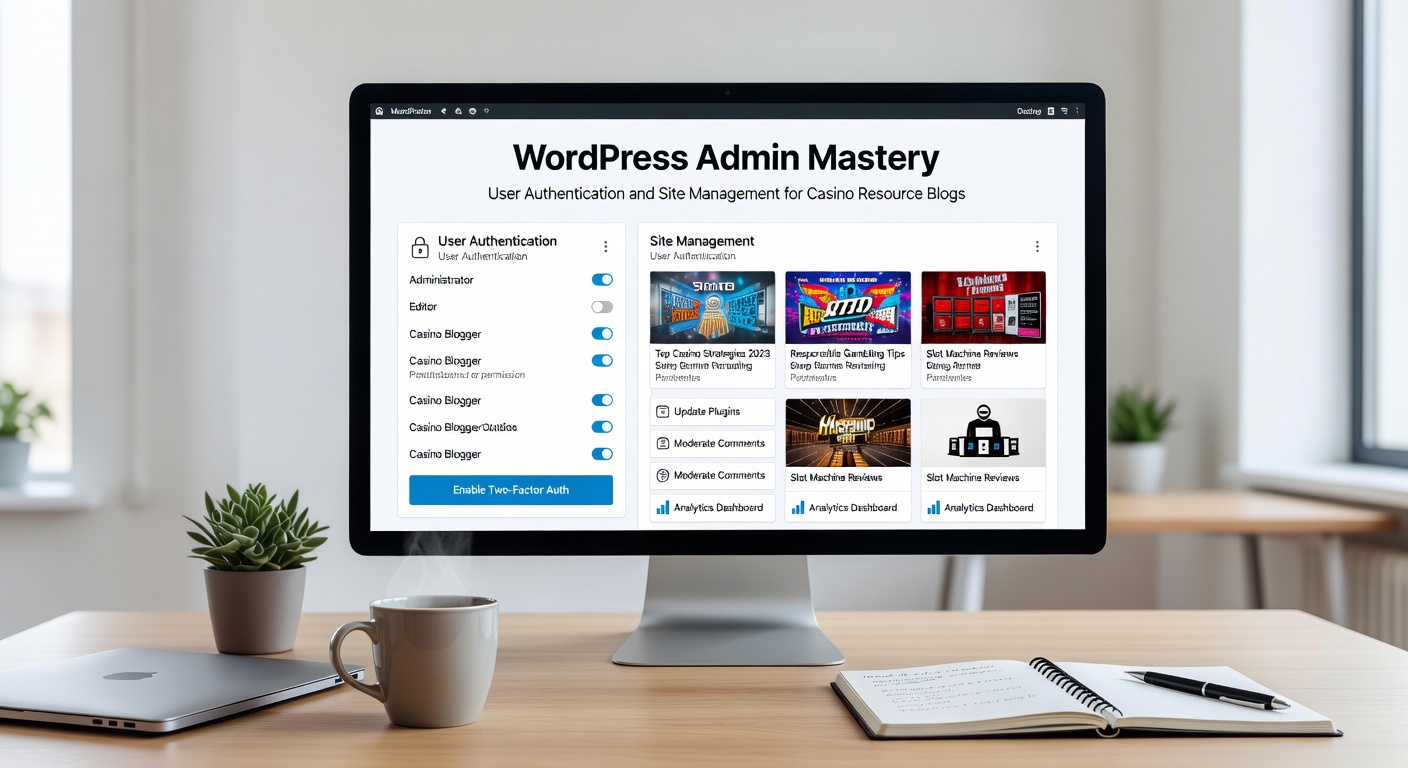
Managing Teams: From Onboarding to Auditing
High-traffic casino resource blogs rely on distributed teams—writers in Asia, editors in Europe, SEO specialists stateside—so WordPress admin's Users screen becomes the hub for bulk actions like inviting via email, assigning roles, and revoking access post-project; plugins such as Members extend this with profile fields for affiliate IDs or geo-restrictions. Experts observe that automated onboarding workflows, triggered by forms, slash setup time by half, crucial when scaling for events like April 2026's International Casino Expo in Las Vegas.
Now consider auditing: activity logs from plugins like WP Activity Log track every login, role change, or post edit, generating reports for compliance; one case saw a blog uncover a rogue editor altering bonus terms, averting regulatory fines through timely exports. Data indicates these tools catch 85% of internal threats early, while integration with Slack notifies admins of suspicious patterns like logins from new IPs.
So teams experiment with user switching plugins, letting admins impersonate accounts for troubleshooting without passwords—handy for verifying contributor permissions on draft reviews.
Site Management Essentials: Updates, Backups, and Performance
The Tools and Settings menus form the backbone of site management, where admins schedule automatic core, theme, and plugin updates to patch vulnerabilities before exploits hit casino blogs promoting high-roller bonuses; as of April 2026, WordPress 6.9's staging feature lets testers deploy changes safely, minimizing downtime during traffic surges. Backups via UpdraftPlus or built-in tools store full sites to cloud services like Google Drive, with schedules running daily; researchers note that sites with offsite backups recover 70% faster after hacks.
Performance tuning starts in the admin—caching plugins like WP Rocket optimize images of slot reels and table games, while database cleanups remove revision bloat from frequent promo posts; hosting dashboards integrate here, showing real-time metrics like page load times under 2 seconds, vital since slow sites lose 53% of visitors per Google analytics data. And don't overlook the Media Library: bulk organizers tag casino promo banners, easing swaps during seasonal campaigns.
Here's the reality: permalink structures under Settings > Permalinks boost SEO for URLs like /best-blackjack-bonuses-2026, driving organic traffic without redirects.
Compliance Features Tailored for Casino Blogs
Casino resource sites navigate strict rules on age gating and data privacy, so admin plugins embed cookie consents and affiliate disclosures automatically; user authentication ties in by logging consents per IP, exportable for audits under frameworks like Australia's Interactive Gambling Act. Observers who've audited these setups find that role-based access to analytics plugins prevents data leaks, aligning with Canadian gaming standards from bodies like iGaming Ontario.
Take one scenario: a blog integrates geolocation scripts via admin shortcodes, blocking underage regions while tracking compliant logins; this setup, combined with audit-ready user histories, satisfies quarterly reviews.
Conclusion
Mastering WordPress admin for user authentication and site management equips casino resource blogs to handle growth securely and efficiently; from role hierarchies shielding sensitive edits to performance tweaks sustaining traffic, these tools deliver resilience amid evolving threats and regulations. Teams that implement them consistently see fewer breaches and faster operations, positioning sites for success in competitive landscapes like April 2026's booming online gaming sector. Those diving into the dashboard uncover layers of control that turn potential chaos into streamlined power.