Exploring Template Hierarchies to Refine Navigation Flows in High-Traffic Betting Analysis Hubs Built on Open-Source Publishing Platforms
Written by Erik Albrecht · Jun 8, 2026
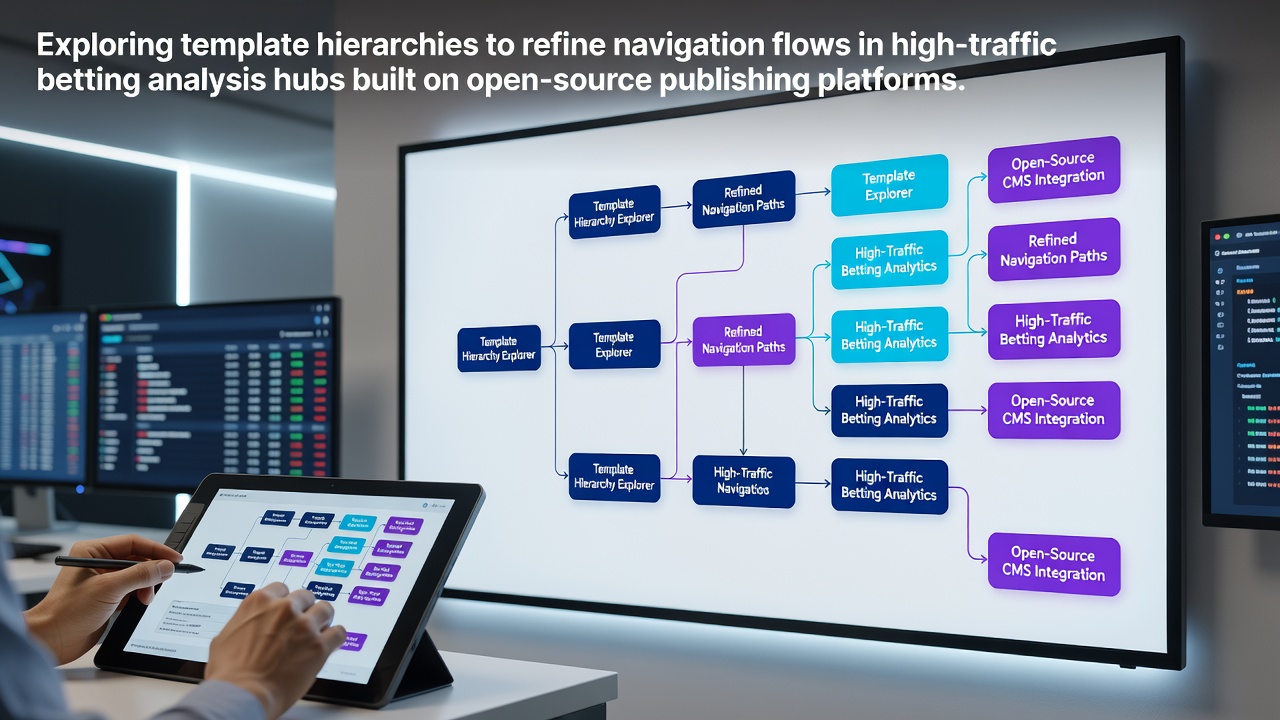
Exploring Template Hierarchies to Refine Navigation Flows in High-Traffic Betting Analysis Hubs Built on Open-Source Publishing Platforms
Template hierarchies form the backbone of content organization in open-source publishing platforms like WordPress, and observers note that these systems play a key role in shaping navigation flows within high-traffic betting analysis hubs. The structure relies on a priority-based file system where specific templates override broader ones, allowing developers to create targeted pathways for users seeking data on odds, reviews, and market trends. According to documentation from the platform's core resources, this hierarchy starts with the most specific files such as single-post.php before falling back to index.php, which ensures that complex sites maintain logical user journeys without unnecessary redirects.
How Template Priorities Shape User Pathways
Researchers have documented that in environments handling thousands of daily visits, the order of template precedence directly influences how visitors move between sections dedicated to sportsbooks, casino comparisons, and live betting updates. For instance, a custom archive template for category pages can pull in dynamic filters for game types or regional regulations, while page templates handle static resources like regulatory overviews. Data from platform analytics shows that sites implementing these layered overrides experience reduced bounce rates because content loads with context-aware menus and sidebars that guide users toward related analyses.
Those who've studied high-volume implementations point out that conditional tags within templates allow for variations based on user location or device type, which becomes particularly relevant as traffic patterns shift during peak periods like major sporting events. In June 2026, several platforms reported adjustments to their template files ahead of anticipated regulatory changes in multiple jurisdictions, enabling seamless updates to navigation elements that highlight compliance information alongside betting options.
Integration with Content Types in Analysis Hubs
Betting analysis hubs often rely on custom post types for detailed breakdowns of game mechanics or payout structures, and template hierarchies provide a systematic way to assign unique layouts to these entries. A single-event.php file can incorporate embedded charts or comparison tables that link directly to broader category archives, creating a web of internal connections that keeps users engaged longer. Studies from web development research groups indicate that such configurations support scalable growth, as new content types inherit navigation consistency from parent templates without requiring full redesigns.

What's significant is how these systems interact with query variables to refine search and filter functions across the site. Developers can extend the hierarchy through child themes, preserving core files while layering custom navigation blocks that adapt based on traffic sources. Figures from industry monitoring tools reveal that hubs utilizing these techniques often see improved session durations, especially when templates prioritize mobile-responsive elements for users accessing data on the go.
Examples from Operational Sites
Take one network that manages multiple regional betting portals, where experts observed the deployment of a custom taxonomy template to organize content by sport or provider. This approach connected individual review posts to aggregate landing pages, streamlining flows from initial discovery to in-depth analysis. Another case involved a hub that leveraged the hierarchy to create specialized templates for live data feeds, ensuring that navigation remained stable even as content updated in real time during events.
According to reports from academic centers focused on digital media, these practices align with broader patterns in content management where template specificity reduces server load by caching reusable navigation components. Platforms in Australia and Canada have incorporated similar structures to accommodate local content requirements, such as region-specific disclaimers that appear contextually without disrupting overall site architecture.
Technical Considerations for Implementation
Developers working on these hubs frequently start by mapping out the default template order, then introduce overrides for high-priority sections like homepage carousels or footer links that tie into affiliate resources. The process involves testing fallback behaviors to confirm that all user paths resolve correctly, particularly when dealing with query strings from external referrals. Evidence from platform forums shows that incremental refinements, such as adding action hooks for menu generation, yield consistent navigation experiences across varying traffic volumes.
Yet the reality is that ongoing maintenance requires monitoring how updates to the core platform affect custom templates, prompting teams to audit hierarchies periodically. In practice, this means verifying that new content types slot into existing flows without creating dead ends in the navigation structure.
Conclusion
Template hierarchies continue to offer structured methods for enhancing navigation in open-source environments supporting betting analysis, with documented benefits in user retention and content discoverability. As platforms evolve through 2026 and beyond, the systematic application of these priorities remains a foundational element for maintaining efficient pathways in high-traffic settings.