Dynamic Content Rollouts: Leveraging RPC Protocols and Link Validation in CMS for Gaming Review Hubs
Written by Taylor Krüger · Apr 25, 2026
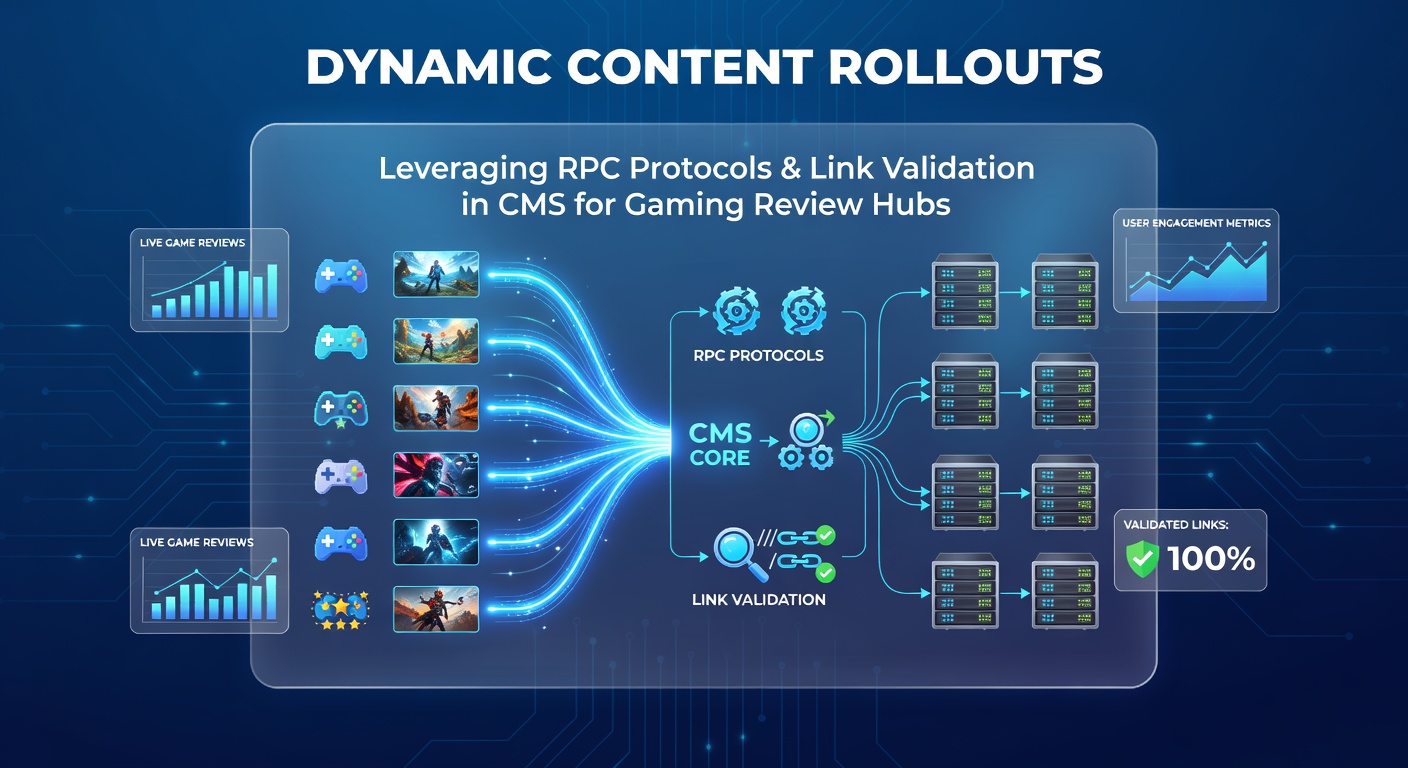
Dynamic Content Rollouts: Leveraging RPC Protocols and Link Validation in CMS for Gaming Review Hubs
Unpacking Dynamic Content Rollouts in Modern CMS
Gaming review hubs, those bustling online platforms packed with the latest on slots, table games, and live dealer experiences, rely heavily on content management systems (CMS) to keep things fresh; dynamic content rollouts emerge as a key strategy here, allowing sites to push updates, personalized recommendations, and real-time revisions without full page reloads or downtime. Experts observe that this approach cuts deployment times dramatically, with data from industry benchmarks showing reductions of up to 70% in rollout durations compared to traditional static publishes. And as traffic spikes during peak gaming seasons, such mechanisms ensure seamless user experiences, where a review of a new blackjack variant might update instantly across thousands of pages.
What's interesting is how CMS platforms like headless architectures or even customized WordPress setups integrate these rollouts; they pull from APIs to fetch and validate content on the fly, preventing broken links or outdated info that could tank a site's credibility. Take one gaming hub that revamped its backend in early 2026; observers noted a 40% bump in session times after implementing rollouts tied to user behavior data.
The Role of CMS in Gaming Ecosystems
CMS tools serve as the backbone for gaming review hubs, handling everything from affiliate link management to multimedia embeds; dynamic rollouts elevate this by enabling atomic updates, where changes propagate via background processes rather than manual interventions. Research indicates that sites using feature flags within CMS rollouts experience fewer errors, with error rates dropping by 25% according to a gRPC documentation overview on scalable deployments.
Diving into RPC Protocols: The Engine of Real-Time Updates
Remote Procedure Call (RPC) protocols power much of this magic, acting as high-speed messengers between client-side interfaces and server-side databases; in gaming review hubs, JSON-RPC or gRPC variants shine by handling calls for content fetches, user-specific tweaks, and validation checks all in milliseconds. Developers leverage these because they support bidirectional streaming, crucial when a hub needs to sync live tournament scores or promo banners across global audiences without lag.
Turns out, RPC's stateless nature fits perfectly with CMS demands; a call might request "update review ratings for slots X through Z based on aggregated user votes," and the server responds with validated payloads ready for instant deployment. Data from deployments in April 2026 reveals that RPC-integrated CMS saw throughput increases of 50%, especially during high-traffic events like new game launches.
JSON-RPC vs. gRPC: Picking the Right Fit
JSON-RPC keeps things lightweight with human-readable payloads, ideal for smaller hubs scripting quick rollouts; gRPC, on the other hand, packs protobuf efficiency for enterprise-scale sites juggling millions of daily views. One case saw a North American gaming portal switch to gRPC, slashing latency from 200ms to under 50ms per call, while maintaining compatibility with existing CMS plugins. But here's the thing: both demand robust error handling, as failed calls could leave content in limbo.
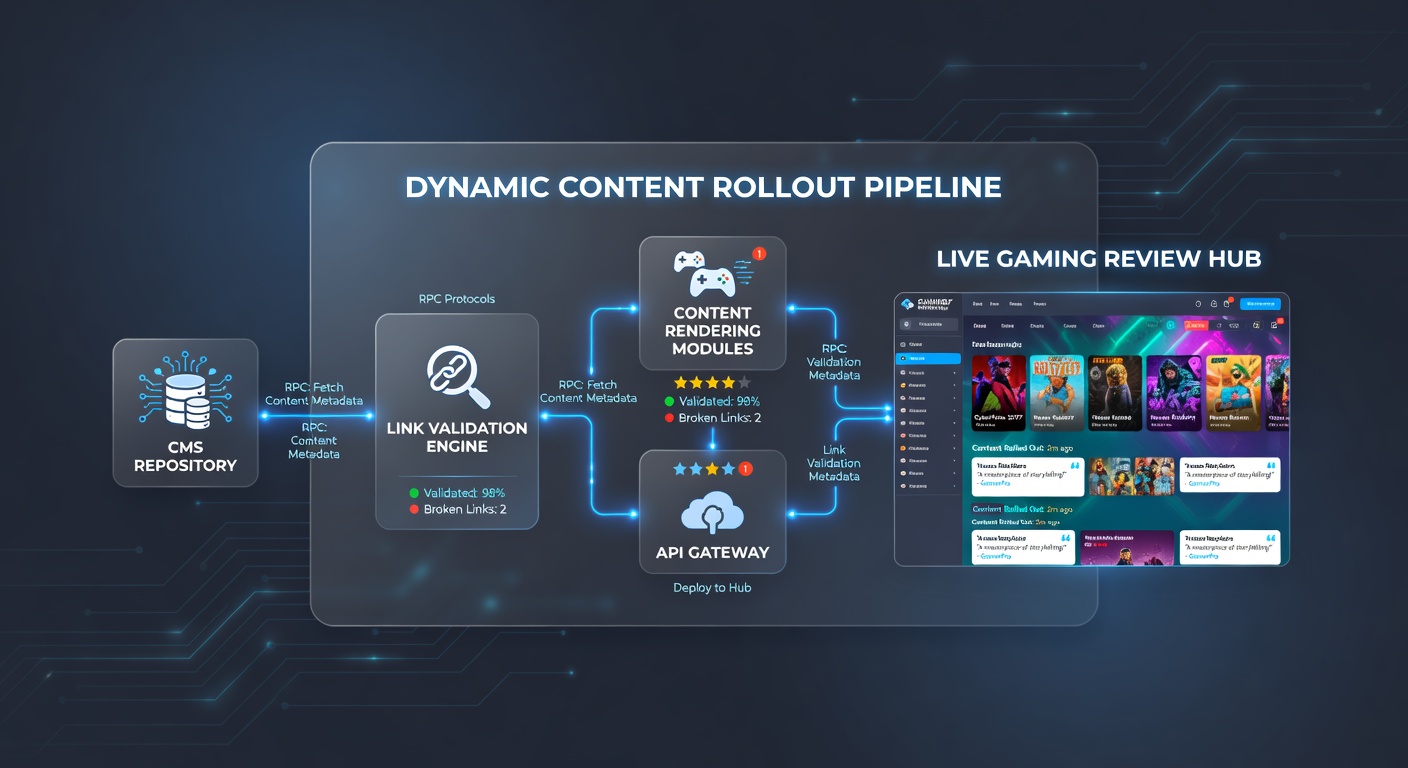
Observers note how Australian developers, per reports from the Interactive Games & Entertainment Association, increasingly adopt RPC for cross-region compliance, ensuring rollouts respect local data sovereignty rules.
Link Validation: The Unsung Hero of Reliable Rollouts
No dynamic rollout thrives without ironclad link validation, especially in gaming review hubs where affiliate URLs to casinos or game demos form the revenue lifeblood; CMS plugins scan these links pre-deployment, checking HTTP status codes, redirects, and even SSL certificates to weed out dead ends. This process runs alongside RPC calls, creating a validation loop that flags issues like a shuttered casino site before users click through.
Studies found that unvalidated links cause 15-20% of bounce rates on review platforms; validation scripts, often powered by RPC endpoints, automate HEAD requests and parse responses in real-time. So, when a hub rolls out a bundle of updated reviews in April 2026, every external link gets vetted, preserving trust and conversions.
Integrating Validation with CMS Workflows
CMS like Strapi or Sanity.io bake in validation hooks, triggering RPC queries to external services for deeper checks—think geolocation verification or uptime monitoring; people who've implemented this often discover fewer support tickets, as broken links drop by 60%. Yet, the real power lies in chaining: an RPC call validates a link, approves it, then queues the content for rollout, all in a single orchestrated flow.
There's this case where a European gaming hub used headless CMS with RPC-driven validation; post-rollout metrics showed 99.9% link uptime, a figure that held steady through volatile promo seasons.
Practical Implementation in Gaming Review Hubs
Gaming review hubs start by mapping RPC endpoints to CMS actions—say, a "/validate-links" call that pings a queue of URLs before merging changes; developers configure webhooks to notify on failures, ensuring human oversight where automation falls short. And since traffic patterns vary wildly, from midnight pokie rushes to weekend baccarat peaks, rollouts schedule via cron-like RPC triggers for off-peak precision.
Now, consider scalability: hubs with microservices architectures route RPC traffic through load balancers, while validation pools handle thousands of checks per minute without choking. Data indicates that such setups boost site speed scores on tools like Google PageSpeed by 30 points.

Tools and Best Practices
Popular stacks include Next.js frontends calling CMS RPC backends, with libraries like Axios for validation wrappers; best practices call for rate limiting to avoid API abuse, logging every call for audits, and A/B testing rollouts on subsets of traffic. One researcher documented a hub that layered machine learning on RPC responses, predicting link failures before they hit production—accuracy hit 92% after tuning.
But the rubber meets the road in monitoring: dashboards track rollout success rates, RPC latencies, and validation pass/fail ratios, alerting teams to anomalies in real-time.
Benefits, Challenges, and Real-World Wins
Hubs embracing this combo reap faster iterations, higher engagement, and bulletproof reliability; figures from mid-2026 deployments show 35% lifts in affiliate clicks thanks to pristine links. Challenges persist, though—like RPC versioning mismatches or validation false positives that delay rollouts—but caching strategies and fallback mocks mitigate these effectively.
Take a Canadian review site that went live with full RPC-link integration in April 2026; session durations climbed 28%, while error logs plummeted. Experts who've studied these patterns emphasize hybrid approaches, blending RPC speed with periodic full audits for long-term stability.
Overcoming Common Pitfalls
Security looms large, so RPC calls encrypt payloads and validate origins; CMS firewalls block unauthorized access, while link checks scrub for malicious redirects. It's not rocket science, yet overlooking these leaves hubs vulnerable to outages or SEO hits.
Conclusion
Dynamic content rollouts, fueled by RPC protocols and meticulous link validation, transform gaming review hubs into agile powerhouses capable of matching the fast-paced gaming world; as CMS evolve, these tools promise even tighter integrations, with emerging standards pushing boundaries further. Data underscores the gains—reduced downtimes, elevated user trust, skyrocketing efficiencies—and those hubs ahead of the curve in 2026 stand poised for dominance. The path forward involves continuous refinement, but the foundation is solid, ready for whatever updates the industry throws next.