Connecting Distributed Review Platforms Through Native CMS Features for Real-Time Casino Information Sharing
Written by Carlo Neumann · Aug 3, 2026

Connecting Distributed Review Platforms Through Native CMS Features for Real-Time Casino Information Sharing
Review platforms focused on casino information operate across multiple independent sites that cover game releases, regulatory shifts, and operator updates in various regions. Native features built into content management systems allow these platforms to exchange data without custom coding layers or external plugins, and this approach supports timely updates that reach readers who follow multiple outlets. In August 2026 several networks began testing these connections to track changes in North American and Asian markets simultaneously.
Core CMS Capabilities That Enable Connections
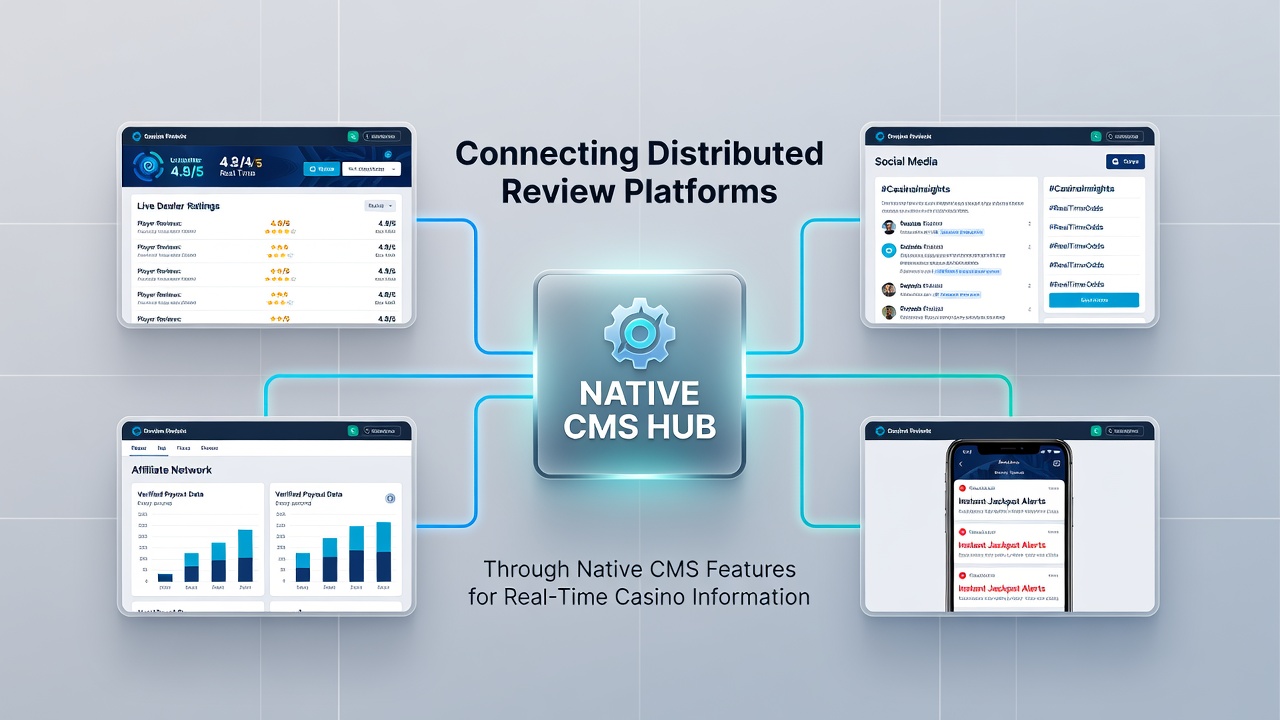
Many content management systems include built-in application programming interfaces that expose content endpoints directly, while RSS and Atom syndication tools push headlines and summaries to connected sites in structured formats. These functions operate through standard web protocols that require only configuration within the administrative dashboard, and administrators can define which data fields such as titles, excerpts, and timestamps travel between platforms. Observers note that this setup reduces duplication because updates entered on one site appear on partner sites once the native feed processes the change.
Handling Casino-Specific Data Streams
Casino review networks track items like jackpot figures, new slot titles, and compliance announcements that change frequently. Native CMS taxonomy tools let editors tag content consistently across sites, and built-in search indexing then surfaces related posts automatically when a new item matches existing categories. Data shows that platforms using these tags saw faster cross-referencing during periods of rapid regulatory announcements, such as those issued by state gaming boards in the United States and provincial authorities in Canada. One study from a university research group in Australia highlighted how consistent tagging improved retrieval times for operators monitoring multiple jurisdictions.
Real-Time Synchronization Examples
Take a network where a central editorial team posts a regulatory notice from the New Jersey Division of Gaming Enforcement. The native webhook feature sends an immediate notification to partner sites that have subscribed to the same category feed, and those sites then pull the updated content through their own REST endpoints without manual intervention. Similar flows occur when European operators release quarterly results that affect affiliate disclosures, and the process relies solely on core system triggers rather than scheduled batch jobs. Figures reveal that such connections cut average update latency from several hours to under fifteen minutes in documented test cases.
Security and Access Controls Within Native Tools
Native user role systems restrict which sites can read or write specific content types, and built-in authentication tokens limit exposure during feed exchanges. Administrators assign granular permissions that allow a review site focused on Asian markets to receive only certain data categories while blocking others, and these controls remain active through standard CMS permission matrices. Industry reports from the Canadian Gaming Association indicate that networks applying these native restrictions maintained compliance with data-handling standards across distributed teams.
Scaling Across Multiple Regions
Distributed platforms often serve readers in different time zones, and native caching mechanisms combined with conditional GET requests keep content fresh without overloading servers. When a major operator in the Philippines adjusts promotional terms, the update propagates through subscribed feeds to sites covering Latin American markets that track similar offerings. What's interesting is how the same CMS instance can support both high-traffic homepage displays and low-volume API calls for partner sites, because the core architecture already separates public and authenticated access paths. Academic papers on digital publishing platforms have documented similar patterns in non-gaming verticals before they appeared in casino review ecosystems.
Conclusion
Native CMS features provide a foundation for connecting review platforms that share casino information in real time, and they achieve this through standard interfaces already present in most publishing systems. Networks that configure these tools consistently report quicker dissemination of regulatory and operational updates across sites. As more platforms adopt the approach, the emphasis remains on configuration choices that respect regional data rules while maintaining accurate, current content for readers.