Callback Mechanisms Driving Coordinated Updates Across Networked Review Portals in Gaming Affiliate Systems
Written by Erik Albrecht · Jul 6, 2026
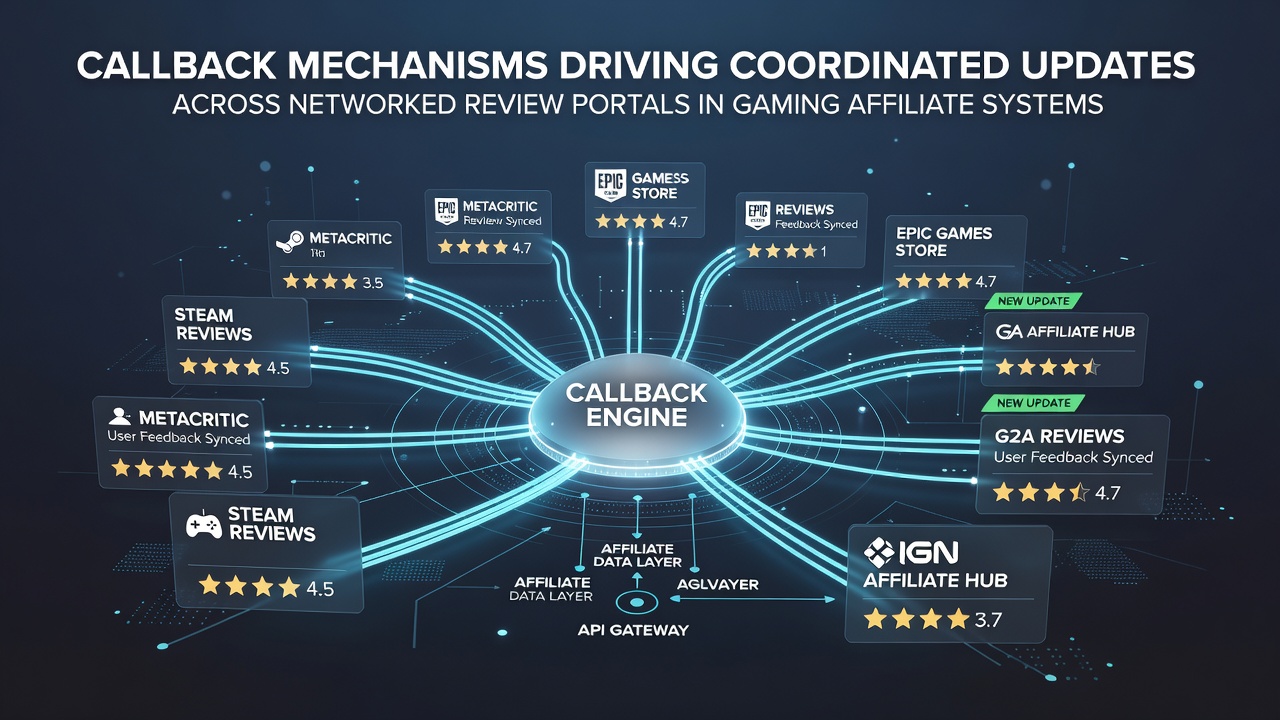
Callback Mechanisms Driving Coordinated Updates Across Networked Review Portals in Gaming Affiliate Systems
Callback mechanisms function as event-driven triggers that allow one portal to notify others when data changes occur, and this process keeps information consistent across multiple gaming review sites within affiliate networks. When a casino listing receives an update to bonus terms or regulatory status, the originating system sends a callback request to connected portals, which then pull the revised details and refresh their own pages automatically. This approach reduces manual intervention and maintains accuracy even as content scales across dozens of interconnected domains.
Core Components of Callback Systems in Affiliate Networks
These systems rely on secure API endpoints that receive and authenticate incoming requests, while each callback carries parameters such as content identifiers, timestamps, and checksums to verify integrity before processing begins. Developers configure the callbacks to activate only after specific events like database writes or approval workflows, which prevents unnecessary calls and conserves server resources. In practice, a portal hosting reviews for North American operators might trigger callbacks that reach sites focused on European markets, ensuring that payout percentages or licensing details stay aligned wherever the same casino appears.
Integration with Existing CMS Platforms
Many affiliate operations build these mechanisms into content management systems through custom plugins that listen for changes and dispatch notifications without disrupting editorial workflows. The callbacks operate asynchronously, meaning the primary site continues normal operation while secondary portals handle updates in the background, and this separation keeps performance stable during high-traffic periods. Observers note that networks using such setups often report fewer discrepancies in displayed information compared to those relying solely on scheduled imports.
Data from industry tracking in early 2026 showed increased adoption of callback-based synchronization among mid-sized affiliate groups, particularly after several operators expanded their multi-site footprints. Those managing review portals across different jurisdictions found the method useful for reflecting regional regulatory shifts quickly, such as when licensing bodies released new compliance guidelines.
Security Considerations for Callback Communications
Authentication layers typically include token validation and IP whitelisting so that only authorized sources can initiate updates, and encryption protects the payload during transmission between portals. Administrators set retry logic with exponential backoff to handle temporary network issues, while logging captures every callback attempt for later audit. In July 2026 several networks introduced additional signature verification steps after reports of attempted spoofing surfaced in affiliate forums, and these enhancements helped maintain trust across connected sites.
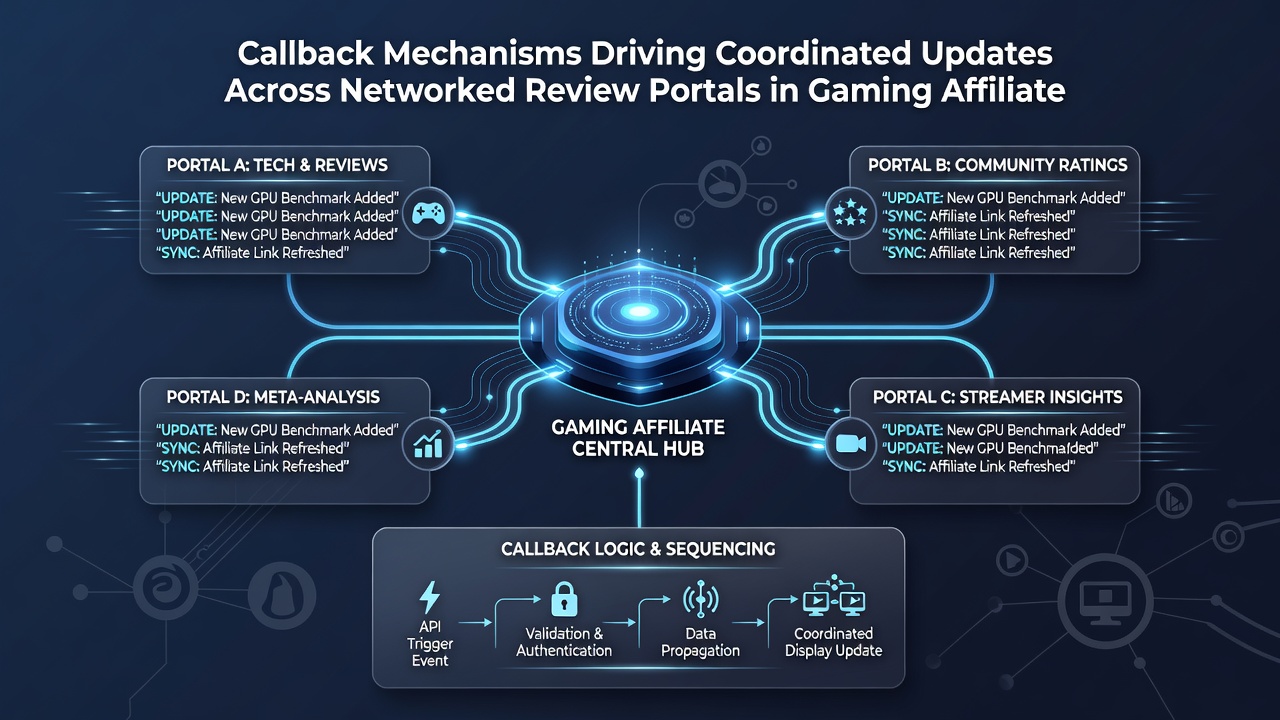
One study released by the International Gaming Standards Association examined synchronization methods across distributed platforms and highlighted how callback architectures reduced update latency by measurable margins in controlled tests. The findings emphasized the importance of standardized payload formats so that portals developed by different teams could interpret incoming data without custom translation layers.
Operational Benefits Observed in Live Networks
Affiliate managers report that coordinated updates through callbacks allow teams to focus on content creation rather than repetitive maintenance tasks, and this shift becomes especially noticeable when networks grow beyond ten interconnected portals. Real-time reflection of changes also supports marketing campaigns that reference current promotions, because visitors encounter matching details regardless of which review site they visit first. Systems that incorporate validation checks after each callback further reduce the chance of displaying outdated material, since mismatched checksums trigger an immediate refresh request.
Researchers at several universities studying digital publishing platforms have documented similar patterns in other verticals, yet the gaming affiliate space presents unique demands because of frequent regulatory adjustments and time-sensitive bonus information. Networks that adopted callbacks early often serve as reference cases for newer entrants evaluating synchronization options.
Challenges During Implementation
Teams sometimes encounter rate-limiting issues when multiple portals generate callbacks simultaneously, and this requires careful throttling on both sender and receiver sides to avoid overwhelming shared infrastructure. Error handling becomes critical because a failed callback can leave one site out of sync until the next manual or scheduled reconciliation occurs. Documentation and monitoring dashboards help operations staff identify patterns in failed deliveries and adjust retry parameters accordingly.
Figures from the Government of Canada business services portal on digital infrastructure usage indicate steady growth in API-driven integrations among online service providers, a trend that parallels developments in gaming affiliate operations. These statistics cover broader commercial sectors yet illustrate the underlying technical maturity that supports callback adoption.
Future Directions for Networked Review Ecosystems
Developers continue to explore enhanced payload structures that carry richer metadata, allowing portals to apply conditional logic before committing updates. Some networks test hybrid models that combine callbacks with periodic full-sync checks, creating layered redundancy for critical content fields. As affiliate systems expand into additional markets, the demand for reliable coordination methods remains consistent, and callback mechanisms represent one established approach that continues to evolve with security and performance improvements.
Conclusion
Callback mechanisms provide a practical foundation for keeping information synchronized across networked review portals in gaming affiliate systems, and their event-driven nature supports both speed and accuracy when content changes. Continued refinement of authentication, error handling, and payload standards helps these systems scale while meeting operational requirements that differ by region and regulatory environment.